FOURFOLD ABOVE NORMAL LEVELS OF NEURON SPECIFIC ENOLASE HAS BEEN FOUND IN THE CSF OF COVID-19 PATIENTS. THIS MARKER IS INDICATIVE OF VERY RAPID NEURONAL DAMAGE AND SMALL CELL LUNG/PANCREATIC CANCER
March 18, 2021
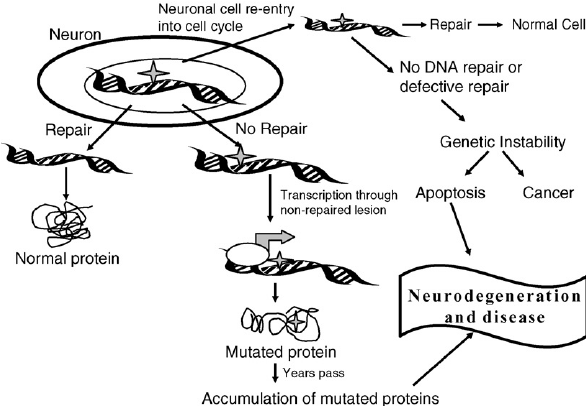
Let us concern ourselves for the moment with the rapid neuronal damage aspect of this biomarker. The potential for accelerated neurodegeneration and onset of age-related neurodegenerative disease is highly likely given the damage the virus does to the brainstem and the damage done to the body's ability to repair DNA damage. the cell cycle, their unrepaired DNA may trigger cell death as they attempt to use a subset of genes that have not been transcribed for years, and the accumulation of damage is overwhelming. The DNA repair mechanisms are also involved in neurotoxicity which includes both neurocognitive dysfunction commonly called “chemobrain” and peripheral neuropathy. In cancer treatment this occurs frequently and has not been effectively studied at the cellular or molecular level. Patients with deficits within the genes involved in the
NER pathway develop progressive neurodegeneration.
The virus may damage neurons and their repair mechanisms.
Investigation into the NER biomarker in Long COVID patients should occur. This information could be useful in guiding preventative and treatment protocols.
Referenced/Related Papers
Can Neuron Specific Enolase Be a Diagnostic Biomarker for Neuronal Injury in COVID-19?
DNA repair in neurons: So if they don’t divide what's to repair?
Cerebrospinal fluid findings and hypernatremia in COVID-19 patients with altered mental status
https://intjem.biomedcentral.com/track/pdf/10.1186/s12245-020-00327-4.pdf
Blood Biomarkers for Detection of Brain Injury in COVID-19 Patients