April 30, 2021
MELATONIN AND COVID-19: BATS, HIBERNATION, LEPTIN, ADIPOSE TISSUE AND WHITE NOSE SYNDROME
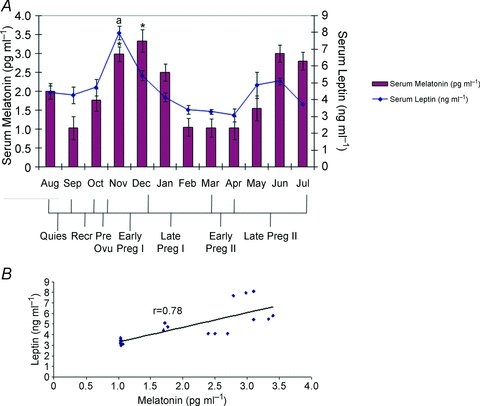
The severity of SARS-CoV-2 (lab edited or not) might be curbed by maintaining elevated melatonin levels. Bats generate significant levels of melatonin when going into hibernation. Elevated levels of Leptin have been indicated in severe COVID-19. These elevated levels also coincide, naturally, with obesity.
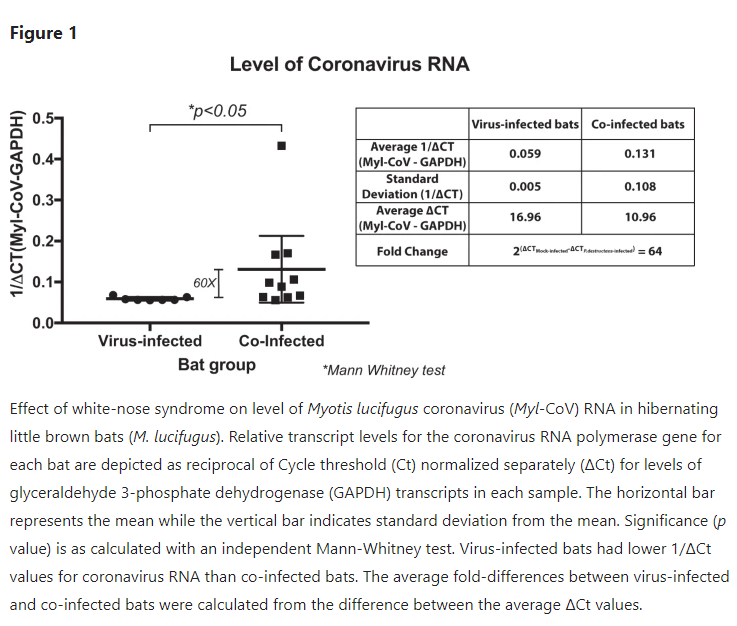
Bats have an elevated level of Leptin when going into hibernation for the winter. Winter is also the time when bats fall victim to White Nose Syndrome. This is a wasting disease which causes bats to awaken during hibernation and burn their reserves of fat. They literally starve to death as there is no food for them to eat once awakened. Bats affected by White Nose Syndrome are usually infected with a Coronavirus. It may be that the bat Coronavirus has found a way to utilize excess Leptin to its advantage they way SARS-CoV-2 has in humans.
Indeed, a paper from 2014 proposes that a healthy "Energy Balance" could protect from the catastrophic White Nose Syndrome. The paper reviews the potential influence of three key hormonal mechanisms-leptin, melatonin and glucocorticoids-on hibernation in mammals with an emphasis on bats.
NB: Whereas bats cannot increase their serum melatonin when needed, humans can.
Referenced/Related Papers
Hormones and hibernation: possible links between hormone systems, winter energy balance and white-nose syndrome in bats
Hibernation in bats (Mammalia: Chiroptera) did not evolve through positive selection of leptin
Regulation of leptin synthesis in white adipose tissue of the female fruit bat, Cynopterus sphinx: role of melatonin with or without insulin
https://physoc.onlinelibrary.wiley.com/doi/full/10.1113/expphysiol.2010.055129