November 29, 2021
COVID-19: NOT JUST A VASCULAR DISEASE BUT A DISEASE OF SYSTEMIC MICROANGIOPATHY FOLLOWED BY SYSTEMIC FIBROSIS, ALMOST CERTAINLY INDUCED BY THE TISSUE-DAMAGING EFFECTS OF THE SPIKE PROTEIN
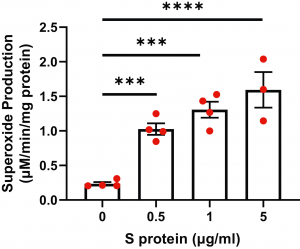
Please review the first image. It is the most important image about the pathogenesis of COVID-19 we will ever see. Please note that SUPEROXIDE PRODUCTION CORRESPONDS DIRECTLY WITH SPIKE PROTEIN LEVELS. SARS-CoV-2 Spike protein (S protein) induced an excessive ROS production in a dose dependent manner in endothelial cells.
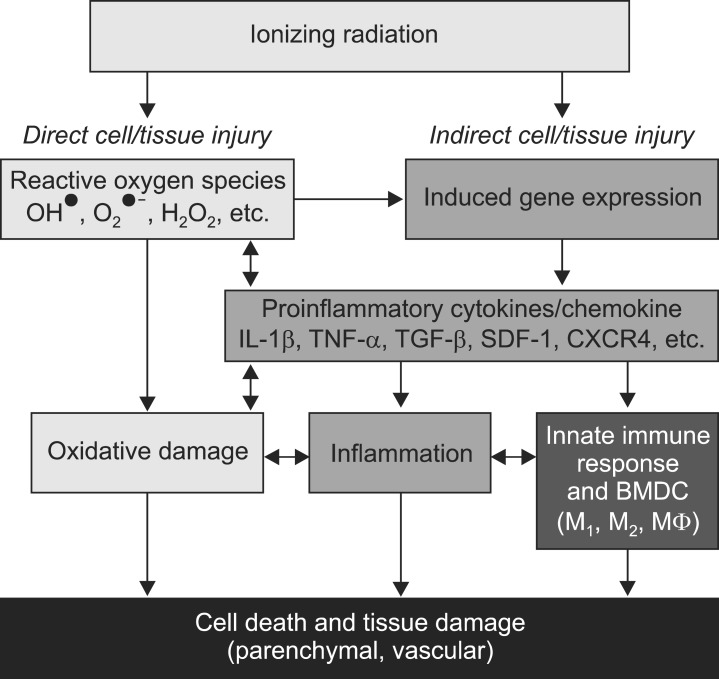
Next, please replace Ionizing Radiation in the second image with Spike Protein. Now we understand why pathologists are observing that COVID-19 patients appear to be dying of “Radiation Poisoning.” The Spike Protein produces as much ROS as Ionizing Radiation! I am certain this is its “dirty little secret.” This also explains all the aging effects observed.
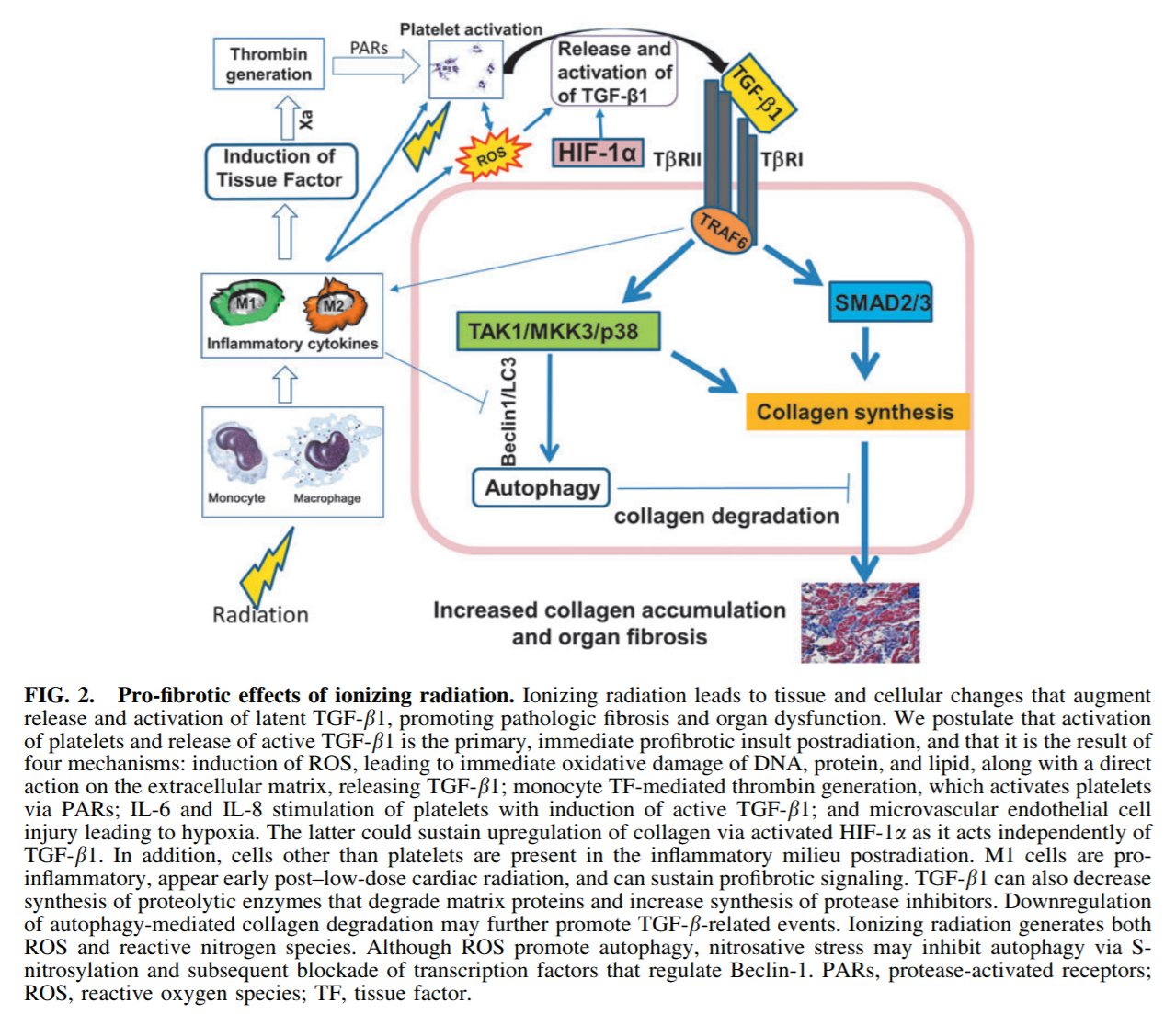
However, for now let’s stay focused on the Systemic Microangiopathy which I believe we are observing. What happens once the ROS damage occurs is that, just as in Radiation Damage, A number of biological processes contribute to the pathogenesis of radiation-induced organ fibrosis. Simply describing fibrosis as a scar related to overproduction of collagen—a preprogrammed terminal event—fails to capture the complexity of the processes involved. Ionizing radiation injury, as many other physical, chemical, or biologic insults, may result in ROS generation and inflammation, with subsequent induction of TF-mediated thrombin generation, platelet activation, LTGF-b1 activation, and macrophage polarization.
Feed-forward loops, as TGF-b1 promotes ROS formation, amplify these profibrotic signals in the promotion of myofibroblast accumulation and the production of ECM to cause fibrosis.
The molecular processes driving fibrosis are wide-ranging and complex (Figure 3). The TGF-β cascade, which plays a major role in fibrosis, involves the binding of a ligand to a serine–threonine kinase type II receptor that recruits and phosphorylates a type I receptor.
TGF-β is a potent stimulator of the synthesis of extracellular matrix proteins in most fibrogenic cells. TGF-β is synthesized and secreted by inflammatory cells and by effector cells, thereby functioning in both an autocrine and paracrine fashion. The complexity of the TGF-β system is illustrated by its interactions with other cell-signaling pathways.12 For example, TGF-β stimulates sonic hedgehog signaling in lung fibroblasts, and sonic hedgehog signaling, in turn, regulates fibroblast function.
It has been determined that there is a MASSIVE, SUDDEN AND UNCONTROLLED INCREASE IN TGF-B. As a result, the sudden and uncontrolled increases in active TGF-β (possibly with the help of some proinflammatory cytokines such as TNFα, IL-6, and IL-1β) inevitably result in rapid and massive edema and fibrosis that remodels and ultimately blocks the airways. This leads to the functional failure of the lungs and death of the patients.
The microvasculature is being lacerated and scarred. It is being so injured that is repairing repairs. Layer upon layer of non-functioning fibrous tissue. This, unfortunately hearkens back to my hypothesis that the Spike Protein of SARS-CoV-2 is turning us into masses of living scar tissue.
In addition, inflammation in COVID-19 disease increases crescentically towards the small vessels (microangiopathy) suggesting that COVID-19-induced endotheliitis is a small vessel vasculitis not involving the main coronaries. The inflammatory neuropathy of epicardial nerves in COVID-19 disease provides further evidence of an angio- and neurotrophic affinity of SARS-COV2 and might potentially contribute to the understanding of the high prevalence of cardiac complications such as myocardial injury and arrhythmias in COVID-19. Another recent study by Ko et al. demonstrated protein spikes fragments in endothelial cells of cutaneous lesions lacking RNA evidence in ISH suggesting that endothelial incorporated spikes elements rather than the presence of virions may play the pathogenic role in COVID-19 endotheliitis.
PLEASE! STOP THIS NOW!
Referenced/Related Papers
A potential treatment of COVID-19 with TGF-β blockade
Role of Platelet-Derived Transforming Growth Factor-b1 and Reactive Oxygen Species in Radiation-Induced Organ Fibrosis
http://europepmc.org/backend/ptpmcrender.fcgi?accid=PMC5649128&blobtype=pdf
Fibrosis — A Common Pathway to Organ Injury and Failure
Pathogenetic mechanisms in radiation fibrosis
https://www.sciencedirect.com/science/article/abs/pii/S0167814010005281
Therapeutic application of estrogen for COVID-19: Attenuation of SARS-CoV-2 spike protein and IL-6 stimulated, ACE2-dependent NOX2 activation, ROS production and MCP-1 upregulation in endothelial cells
https://www.sciencedirect.com/science/article/pii/S2213231721002585
SARS-CoV-2 leads to a small vessel endotheliitis in the heart
https://www.thelancet.com/journals/ebiom/article/PIIS2352-3964(20)30558-2/fulltext