PULMONARY ARTERIAL HYPERTENSION (PAH) AND THE SPIKE PROTEIN OF SARS-CoV-2
November 8, 2021
Pulmonary hypertension is an “umbrella term” used for a spectrum of entities resulting in an elevation of the pulmonary arterial pressure. Clinical symptoms include dyspnea and fatigue which in the absence of adequate therapeutic intervention may lead to progressive right heart failure and death. The pathogenesis of pulmonary hypertension is characterized by three major processes including vasoconstriction, vascular remodeling and microthrombotic events.
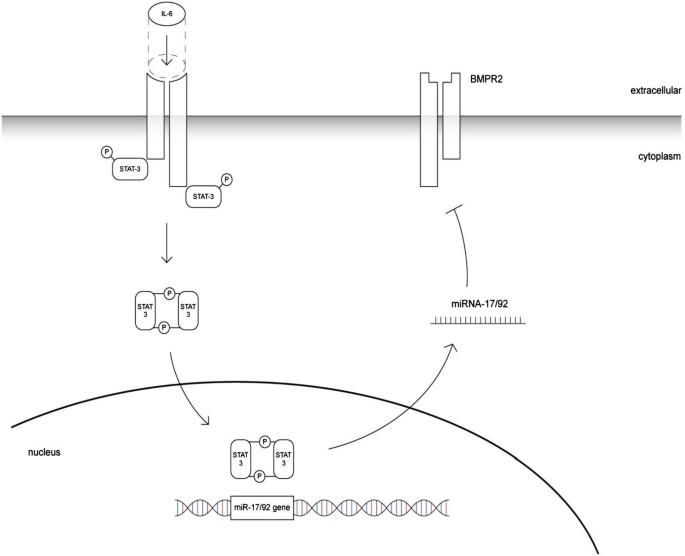
One of the prerequisites for PAH is vascular remodeling. The main factor involved in remodeling of the vessel wall is bone morphogenetic protein receptor type II (BMPR2), which is predominantly expressed on pulmonary endothelium and smooth muscle cells, is considered to be the master regulator of vascular remodeling in pulmonary hypertension. A genome-wide computational study of miRNAs in severe SARS-CoV-2 revealed two major target genes: Gene enrichment tool analysis and substantial literature evidences suggests role of genes like BMPR2 and p53 in pulmonary vasculature and antiviral innate immunity respectively. Our findings may help research community to understand virus pathogenesis.
This downregulation of BMPR2 has been implicated in other coronaviruses: nCoV-MD241-3P target BMPR2 (bone morphogenetic protein receptor type 2) which involved in transforming growth factor (TGF)-β signaling pathway. Upon viral infection, BMPR2 gets suppressed which result inhibition of pulmonary vascular homeostasis.
The cytokine IL-18 is also implicated in the development of PAH. Indeed, IL-18 is correlated with disease severity in COVID-19. The serum concentrations of IL-18 correlate with other inflammatory markers and reflect disease severity. Results of the present study shed light on role of IL-18 on COVID-19 pathogenesis and might provide an evidence for the clinical trials on IL-18 antagonists for the treatment of severe COVID-19 patients.
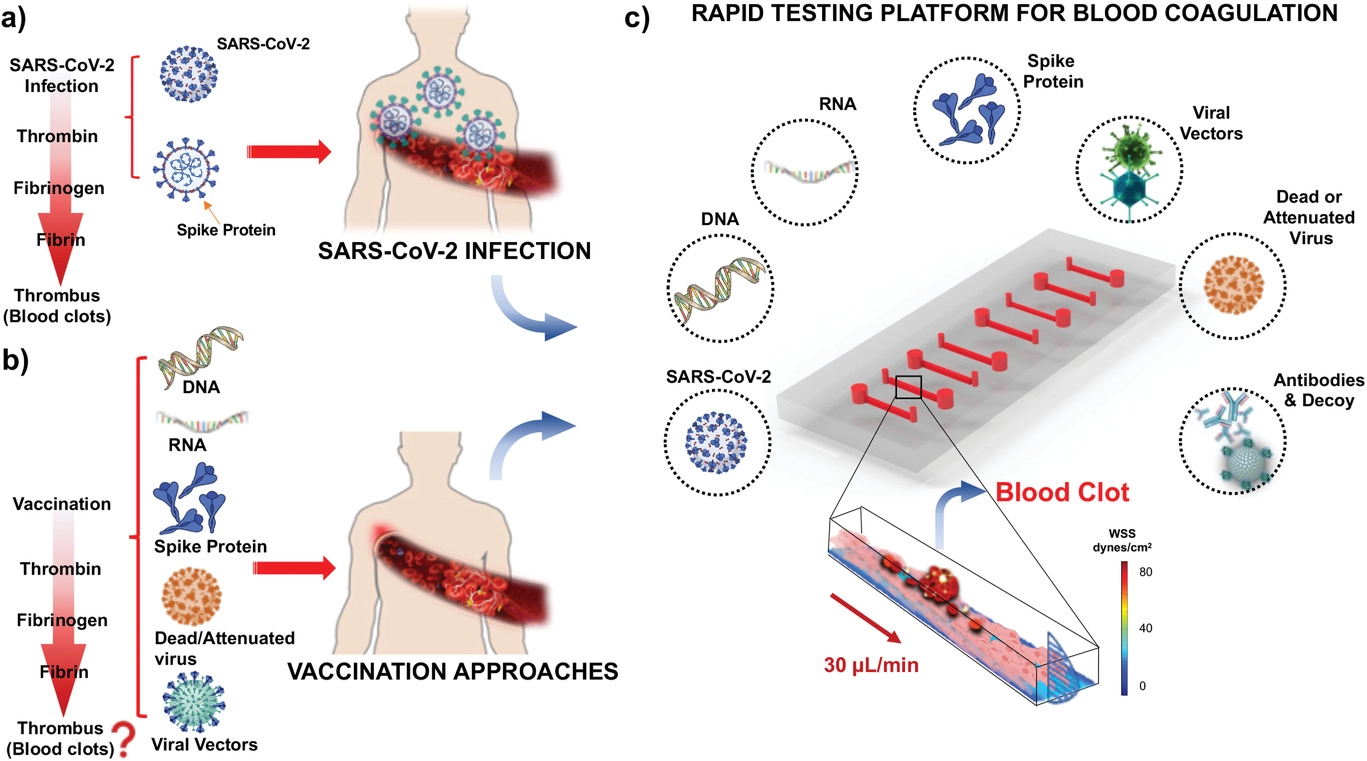
This leads us to the other major factor in the development of PAH: microthrombotic events. It would seem beyond obvious at this point that the Spike Protein is itself capable of inducing myriad microthrombotic events. Indeed it has been conclusively proven that the Spike Protein is inducing these very microthrombotic events: The results of the referenced study support the notion that the Spike protein is sufficient to develop hyperfibrinogenemia in the setting of COVID-19-mediated coagulopathy.
We must immediately check all for status of/progression of PAH. This is of the utmost urgency as we may be inducing a fatal condition upon the world’s citizenry.
Referenced/Related Papers
Prognostic value of interleukin-18 and its association with other inflammatory markers and disease severity in COVID-19
https://www.sciencedirect.com/science/article/pii/S1043466620303185?via%3Dihub
Inflammatory cytokines in pulmonary hypertension
https://respiratory-research.biomedcentral.com/articles/10.1186/1465-9921-15-47
IL18 induces p38 MAP kinase activation and adhesion capacities in BMPRII knocked down human lung microvascular endothelial cells
https://erj.ersjournals.com/content/48/suppl_60/PA5089
Genome-wide computational prediction of miRNAs in severe acute respiratory syndrome coronavirus 2 (SARS-CoV-2) revealed target genes involved in pulmonary vasculature and antiviral innate immunity
https://www.ncbi.nlm.nih.gov/labs/pmc/articles/PMC7382400/
Rapid Detection and Inhibition of SARS-CoV-2-Spike Mutation-Mediated Microthrombosis
https://onlinelibrary.wiley.com/doi/full/10.1002/advs.202103266